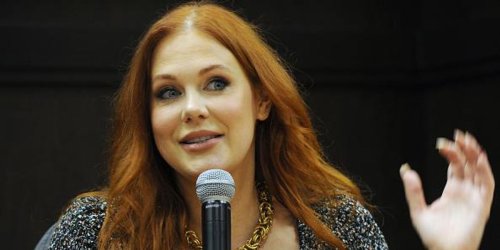
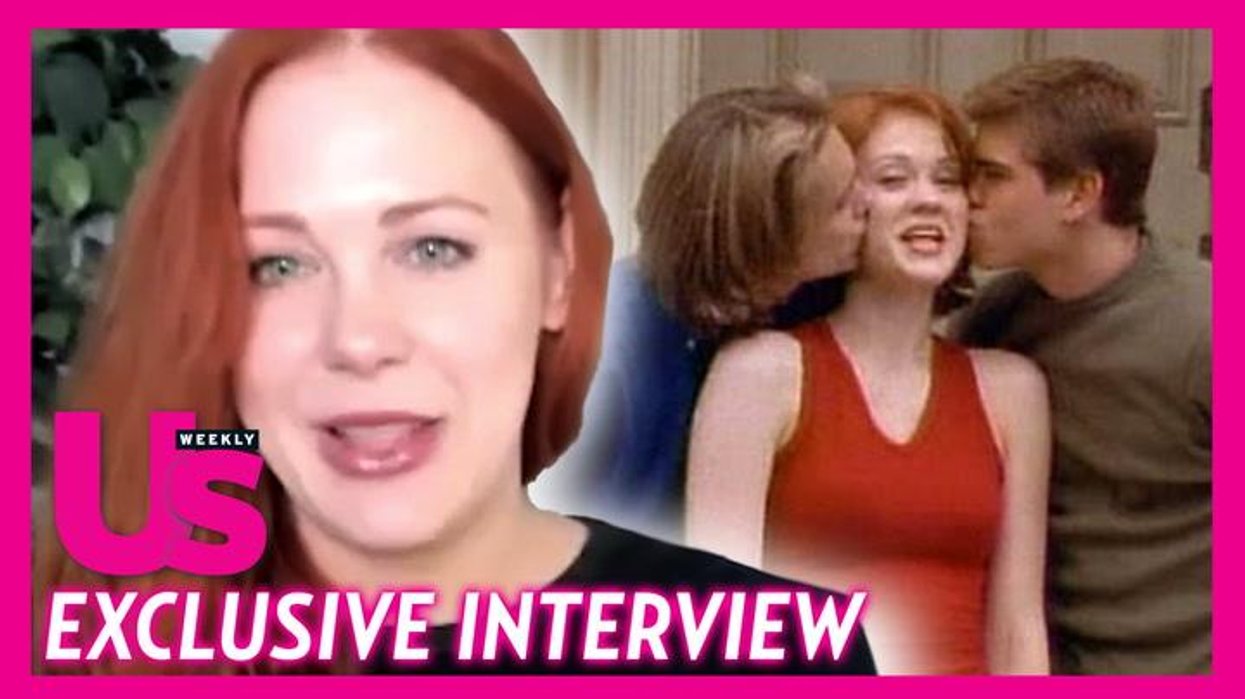
Maitland Ward didn’t just leave Disney—she walked away from a system that treated young performers like manufactured goods, not people. Once known for her role as Rachel on Boy Meets World, Ward has become one of the most vocal critics of how Hollywood molds and markets underage talent. Her revelation that young actors “were treated like a product in the Hollywood factory” isn’t just a personal grievance—it’s a pattern echoed by countless former child stars who emerged from the studio machinery damaged, disillusioned, or discarded.
This isn’t about nostalgia or career regret. It’s about structural exploitation masked as opportunity.
The Disney Pipeline: Grooming Talent for Profit
Disney has long operated as a talent incubator, pulling in bright-eyed kids and packaging them into marketable brands. From The Mickey Mouse Club to Hannah Montana, the formula is consistent: discover young talent, assign a carefully constructed image, and monetize them relentlessly across TV, music, tours, and merchandise.
Ward’s experience on Boy Meets World—a show that aired for seven seasons and built a loyal fanbase—wasn’t unique in its grind. Young actors weren’t treated as artists in development; they were assets under contract, expected to maintain a squeaky-clean image under corporate oversight. Ward has spoken openly about the pressure to conform, the lack of agency over her public persona, and the emotional toll of growing up under such scrutiny.
“We were told how to act, what to wear, even how to smile. You weren’t allowed to be messy, flawed, or real—because that wasn’t the brand,” Ward said in a 2023 interview.
The “Disney brand” demands perfection. And when young actors naturally evolve, the system often rejects them.
From Child Star to Industry Exile: The Transition Trap
One of the cruelest ironies of the child star pipeline is what happens when the contract ends—or when puberty hits. Actors like Maitland Ward discovered that the industry that once promoted them suddenly had no use for them.
After Boy Meets World ended, Ward auditioned for other mainstream roles but found doors closing. The very traits that made her marketable as a teen—youth, innocence, compliance—became liabilities as she matured. She wasn’t “cute” enough. She wasn’t “safe” enough. And she wasn’t moldable.
“I realized I didn’t have a career,” Ward admitted. “I had a product cycle.”
This transition trap isn’t rare. It’s systemic. Stars like Jamie Lynn Spears, Dylan Sprouse, and Brenda Song have all spoken about the difficulty of escaping typecasting and rebuilding credibility. The entertainment industry invests in a narrow window of youth, then discards talent when it no longer fits the mold.
The Illusion of Mentorship in Young Actor Development
Many young performers are told they’re being “mentored” or “guided” by managers, agents, and producers. In reality, the power dynamic is often transactional and one-sided. Ward has criticized how little emotional or professional support was offered off-screen.
Consider the typical schedule of a young Disney actor: - 12-hour filming days - On-set tutors for education - P.R. training instead of acting coaching - Image consultants shaping appearance and speech
What’s missing? Mental health support. Career counseling. Autonomy.
Ward has described how actors were discouraged from questioning scripts, challenging working conditions, or exploring creative interests outside their assigned roles. The goal wasn’t artistic growth—it was brand consistency.
When one former Disney star tried to pitch a character direction that deviated from the script, they were told: “That’s not what the audience expects.” The actor wasn’t seen as a collaborator. They were part of a script-tested, focus-grouped product line.
The Shift to Adult Roles: Breaking the Mold
Ward’s pivot to adult entertainment wasn’t just career reinvention—it was reclamation. By stepping into a space where she controlled her image and labor, she challenged the narrative that former child stars have no agency.
In interviews, she’s emphasized that her work as an adult film actress is intentional, empowering, and financially rewarding—something many mainstream acting gigs never offered.
“For the first time, I wasn’t being told how to dress or how to act. I was making the decisions. I was the CEO of my body and my career.”
Critics have labeled her choice as “shocking” or “trashy.” But Ward reframes it as disruption. She didn’t abandon acting—she escaped an industry that commodified her youth and found one that, paradoxically, gave her more control.
This isn’t a call for others to follow the same path. It’s a critique of an entertainment machine that offers few viable alternatives for young performers once they age out of their “cute” phase.
Emotional Costs of Being a “Product”
The psychological impact of being treated as a product runs deep. Former child stars frequently report: - Identity confusion - Anxiety and depression - Substance abuse - Relationship difficulties - Financial mismanagement
Ward has spoken about her own struggles with self-worth and the difficulty of forming authentic relationships under public scrutiny. She wasn’t allowed to make mistakes as a teenager—so when she did, the shame was overwhelming.
The lack of psychological safeguards is a glaring failure. While studios profit from young actors’ labor, they rarely provide long-term mental health resources or transition planning. The message is clear: you’re valuable only as long as you’re profitable.
How the Industry Could Change—But Probably Won’t
Ward’s revelations are part of a larger reckoning. Other stars—like Jamie Lee Curtis advocating for child labor reform, or the SAG-AFTRA push for better protections—have spotlighted the need for systemic change.
Possible reforms include: - Mandatory financial literacy training for minors in entertainment - Independent advocacy guardians assigned to young performers - Mental health support built into production schedules - Limits on working hours for minors - Ownership of likeness rights for young actors
But the incentives are misaligned. Studios don’t benefit from empowered young actors—they profit from compliant ones. Until there’s legal enforcement or public pressure strong enough to disrupt the model, the “Hollywood factory” will keep churning out talent, using them, and discarding them.
A New Path Forward: Control, Not Compliance
Maitland Ward’s story isn’t just about exposure—it’s about evolution. She moved from being a character on a sitcom to becoming the author of her own career. That shift didn’t happen within the traditional system. It happened by stepping outside it.

Other former young stars are following similar paths: - Raven-Symoné launched her own production company and advocated for fair treatment in the industry. - Dove Cameron has spoken out about mental health and the toxicity of fame. - Josh Peck wrote a memoir detailing his struggles with addiction and self-worth.
These voices aren’t rejecting entertainment—they’re demanding better terms.
For aspiring young actors and their families, Ward’s experience offers critical lessons: - Negotiate for creative control early. - Demand access to earnings and contracts. - Prioritize education and life skills over fame. - Question any environment that limits self-expression.
The dream of stardom shouldn’t come at the cost of identity.
Conclusion: Reclaiming Humanity in a Machine-Driven Industry
Maitland Ward didn’t just leave a career behind—she dismantled a myth. The idea that fame is a reward, that visibility equals success, that being “discovered” is a golden ticket—all of it collapses under the weight of her truth.
When young actors are treated like products, they’re denied the messy, imperfect process of becoming themselves. Ward’s journey—from Disney darling to independent performer—isn’t a fall from grace. It’s a climb back to autonomy.
The real scandal isn’t where she ended up. It’s where she started.
For anyone navigating the entertainment world, her story is a warning and a roadmap: fame without agency is exploitation. And the only way out is to take back control.
Why did Maitland Ward leave mainstream acting?
Maitland Ward left mainstream acting after struggling to find roles that didn’t typecast her post-Disney. She felt excluded from opportunities due to her past image and eventually shifted to adult entertainment, where she gained creative control and financial independence.
Did Maitland Ward have a bad experience at Disney?
While Ward doesn’t claim abuse, she’s been critical of how young actors were managed—calling it a “factory” system that prioritized brand image over personal growth, mental health, and long-term career sustainability.
Is it common for Disney stars to struggle after their shows end?
Yes. Many former Disney stars—including Demi Lovato, Selena Gomez, and Shia LaBeouf—have spoken about mental health challenges, typecasting, and difficulty transitioning to adult roles after their Disney years.
How are young actors protected in Hollywood?
Minors in entertainment are protected under Coogan Laws (requiring trust accounts for child earnings) and labor regulations on working hours. However, enforcement is inconsistent, and emotional or psychological support is rarely mandated.
What did Maitland Ward say about being treated like a product?
Ward stated that young actors were “packaged, promoted, and pushed” like consumer products, with every aspect of their image controlled by studios. She emphasized the lack of autonomy and the pressure to conform to an artificial brand.
Did Maitland Ward face backlash for her career shift?
Yes. Her move into adult entertainment sparked controversy and criticism. However, she’s defended her choice as empowering, citing greater control over her work, body, and finances than she ever had in mainstream Hollywood.
Can child actors avoid being exploited in the industry?
It’s difficult but not impossible. Strong parental guidance, legal representation, financial safeguards, and prioritizing education can help. However, systemic change is needed to truly protect young performers from exploitation.
FAQ
What should you look for in Maitland Ward Exposes Hollywood’s Exploitation of Young Stars? Focus on relevance, practical value, and how well the solution matches real user intent.
Is Maitland Ward Exposes Hollywood’s Exploitation of Young Stars suitable for beginners? That depends on the workflow, but a clear step-by-step approach usually makes it easier to start.
How do you compare options around Maitland Ward Exposes Hollywood’s Exploitation of Young Stars? Compare features, trust signals, limitations, pricing, and ease of implementation.
What mistakes should you avoid? Avoid generic choices, weak validation, and decisions based only on marketing claims.
What is the next best step? Shortlist the most relevant options, validate them quickly, and refine from real-world results.