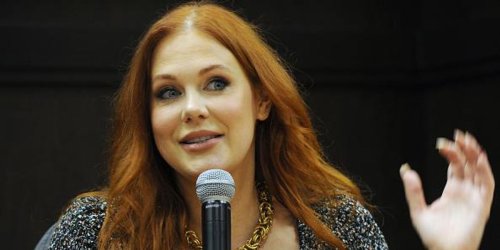
Maitland Ward didn’t leave Hollywood—Hollywood reshaped her. Once a recognizable face on Disney Channel’s Boy Meets World, she’s now one of the most vocal critics of how the industry treats young talent. Her story isn’t unique, but her willingness to speak openly about it is. In recent interviews and her memoir Rated X: How Porn Liberated Me from Hollywood, Ward details a system that prioritized profit over people—where child actors weren’t mentored, they were manufactured.
The veneer of innocence that networks like Disney sell to families hides a stark reality: young performers are often treated as disposable content with expiration dates. Ward’s critique cuts deep because it’s not just about what happened to her—it’s about a pattern replicated across studios, soundstages, and casting rooms in Tinsel Town.
The Disney Factory: Where Image Is Everything
Disney has long been the gold standard for family-friendly entertainment. But behind the squeaky-clean image is a well-oiled machine designed to churn out stars on tight schedules, strict contracts, and tighter image control.
Maitland Ward played Rachel McGuire, the smart, sarcastic older sister who joined the cast in the show’s later seasons. While audiences adored her character, Ward has since revealed that her time on the show was marked by emotional suppression and professional constraints.
“We weren’t seen as artists—we were seen as inventory,” Ward said in a 2023 interview. “If you acted out, you were replaced. If you grew too fast, gained weight, or hit puberty at the wrong time—you were a liability.”
This is the core of what Ward calls the “Hollywood factory” model: children are cast not for long-term growth but for immediate marketability. Their looks, voices, and even personalities are curated to fit a brand. Individuality is secondary to brand alignment.
How the System Works: - Performers under 18 sign restrictive contracts that limit public appearances, social media, and even personal relationships. - Strict grooming and appearance standards are enforced—sometimes without regard for health or self-esteem. - Mental health support is minimal or nonexistent, despite grueling work hours that can exceed those of adult actors.
Take the case of Hannah Montana, where Miley Cyrus later reflected on the immense pressure of playing a dual identity—both as a pop star and a "normal" teen. The disconnect between public image and private reality is a common thread among former Disney stars.
The Product Mentality: When Talent Becomes Merchandise
Ward’s most damning claim is that young actors on Disney and similar networks are treated less like people and more like products—packaged, marketed, and discarded when they no longer sell.
Consider these parallels between consumer products and child stars: - Launch Phase: A young actor is cast, styled, and introduced to the public with a carefully written backstory. - Growth Phase: They appear in sequels, merch, theme park promotions, and music deals—maximizing monetization. - Decline Phase: As they age out of the target demographic, their presence is minimized or phased out entirely.
This lifecycle isn’t accidental. It’s engineered.
Ward has pointed out that when she began to mature physically and sought more complex roles, she was sidelined. “I wanted to play a real teenager—someone who has feelings, makes mistakes, grows up. But Disney didn’t want that. They wanted the version of me that sold lunchboxes.”
That version wasn’t allowed to evolve. And when the real person didn’t match the brand, the brand moved on.
Transition Struggles: The Post-Disney Cliff
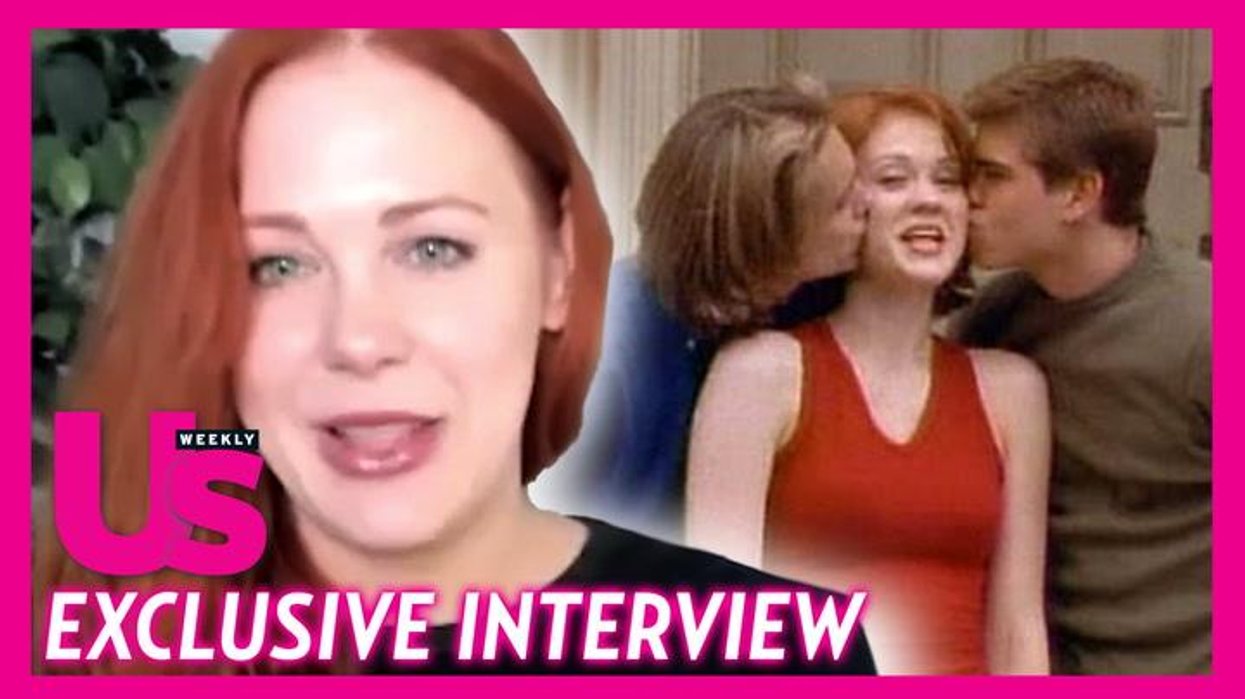
Leaving a Disney show isn’t like leaving most jobs—it’s like stepping off a moving train. The infrastructure that supported the young actor vanishes overnight.
Ward experienced this firsthand. After Boy Meets World ended, opportunities dried up. Auditions for mature roles weren’t forthcoming. Typecasting had locked her into a bubble.
“I went from working every day with a team of people telling me what to do, how to act, what to wear—to silence. No calls. No meetings. Just… nothing.”
This phenomenon isn’t isolated. Stars like Demi Lovato, Selena Gomez, and Shia LaBeouf have all spoken about the difficulty of transitioning from child roles to adult careers. Many hit a wall: too famous to be "discovered," too tied to a character to be seen as versatile.
Common Post-Disney Challenges: - Limited range in casting perceptions - Lack of formal training or education - Public scrutiny magnified by early fame - No union or industry support for career pivoting
Some navigate this by returning to music (Demi Lovato), launching fashion lines (Selena Gomez), or going indie (Zendaya). But many fall through the cracks—struggling with identity, mental health, or financial instability.
Why the Industry Resists Change Despite growing awareness, the Hollywood factory system persists. Why?
1. Profitability: Child-focused content is wildly profitable. From merchandise to streaming royalties, a hit Disney show can generate revenue for decades. Keeping control over young performers ensures brand consistency and minimizes risk.
2. Power Imbalance: Young actors rarely have agents with real leverage. Parents may not understand the long-term implications of contracts. Studios exploit this by locking in talent early with multi-year deals that favor the network.
3. Lack of Oversight: While California’s Coogan Law mandates that a portion of a child actor’s earnings be set aside, it doesn’t protect against emotional exploitation or career mismanagement. There’s no regulatory body tracking the mental health or career development of young performers.
4. Cultural Acceptance: Society often romanticizes child stardom. We celebrate breakout roles and red carpet debuts without asking what it costs the child. This blind spot allows the industry to operate with minimal accountability.
Even when stars like Drew Barrymore or Christina Ricci speak out about traumatic experiences, the system adapts without reforming. The machine keeps running.
Maitland Ward’s Reinvention: Reclaiming Agency
Ward’s pivot to adult film wasn’t a fall from grace—it was a calculated act of reclamation.
In her own words, she chose a space where she had creative control, set her own boundaries, and was paid fairly—something she rarely experienced in mainstream Hollywood.
“For the first time, I wasn’t being told how to move, how to look, or who to be. I was the director of my own story.”
This shift shocked fans and critics alike. But it underscores a deeper point: when traditional avenues deny growth, some performers create their own.
Her journey highlights a paradox: the very industry that shunned her for aging became the one that punished her for taking ownership of her sexuality and career.
Ward now speaks openly about empowerment, consent, and financial literacy for performers. She’s building a brand rooted in autonomy—something the Disney machine rarely offers.
The Bigger Picture: Is Hollywood Evolving? There are glimmers of change.
Zendaya’s rise from Disney’s Shake It Up to Euphoria and Dune proves that reinvention is possible—with the right support, timing, and talent.
Raven-Symoné, once a Disney darling, has become an outspoken advocate for authenticity, rejecting the pressure to conform to industry expectations.

Streaming platforms have also disrupted the old model. Netflix and Hulu aren’t bound by the same brand-image constraints as broadcast networks, allowing young actors more room to grow—Stranger Things cast members like Millie Bobby Brown have launched production companies and taken on mature roles with agency.
But structural issues remain. The power still lies with executives, not performers. The demand for “age-appropriate” content often means casting down or recasting entirely, rather than letting actors evolve on screen.
True reform would require: - Independent advocacy for young performers - Transparent career development pathways - Mental health mandates on set - Contracts that allow creative growth and profit-sharing
Until then, the factory keeps producing—and discarding—its stars.
What Can Be Done: A Path Forward
Change won’t come from studios alone. It starts with awareness, accountability, and alternative models.
For Parents and Guardians: - Hire independent legal counsel before signing any contract. - Prioritize education and emotional well-being over exposure. - Build a support network outside the industry.
For Young Actors: - Document your journey—contracts, communications, payments. - Seek mentors who’ve navigated the transition successfully. - Diversify skills (writing, directing, producing) to reduce dependency on casting directors.
For the Industry: - Establish formal mentorship programs for aging-out performers. - Create transitional funding or grants for post-child-star education. - Adopt ethical guidelines for marketing and media training.
Maitland Ward’s story is a warning—and a roadmap. She didn’t fail the system; the system failed her. Her ability to rebuild on her own terms is not just inspiring; it’s instructive.
Closing: Rehumanizing Young Performers
Maitland Ward didn’t leave her past behind—she reframed it. Her critique of Hollywood isn’t just personal; it’s a call to end the dehumanization of young talent.
The “product” label strips away identity, agency, and dignity. When a child actor is seen as a revenue stream rather than a developing human, the cost is measured in lost potential, broken mental health, and squandered futures.
Change starts with listening to voices like Ward’s—not to scandalize, but to scrutinize. The entertainment industry thrives on stories. It’s time it told a more honest one about how it treats the people who make those stories possible.
For every young actor stepping onto a set today, the goal shouldn’t be fame—it should be sustainability, respect, and the freedom to grow.
FAQ
Why did Maitland Ward leave Disney? Maitland Ward didn’t leave Disney abruptly; her role on Boy Meets World ended with the series. However, she struggled to find new roles due to typecasting and the industry’s resistance to letting child stars transition into adult careers.
What does Maitland Ward mean by ‘Hollywood factory’? She uses the term to describe an industry system that treats young actors as interchangeable, marketable products—valued for image and profitability rather than artistic growth or personal well-being.
How are child actors exploited in Hollywood? They often face restrictive contracts, image control, long work hours, limited education, and minimal mental health support—all while generating significant revenue for studios.
Did Maitland Ward face backlash for her career shift? Yes. Her move to adult films drew criticism and stigma, despite her claims of empowerment and creative control. This backlash highlights Hollywood’s double standards around sexuality and autonomy.
Can child stars successfully transition to adult roles? Some can—like Zendaya and Emma Stone—but it’s rare and often requires external support, rebranding, and industry connections. Many struggle due to typecasting and lack of opportunity.
What protections exist for child actors in Hollywood? California’s Coogan Law protects a portion of their earnings, but there are no comprehensive rules governing mental health, work hours, or career development for minors in entertainment.
Is the Disney model changing? Slowly. Streaming and social media have given young actors more control over their brands, but the core system of image management and early monetization remains largely unchanged.
FAQ
What should you look for in Maitland Ward Exposes Hollywood’s Child Star Machine? Focus on relevance, practical value, and how well the solution matches real user intent.
Is Maitland Ward Exposes Hollywood’s Child Star Machine suitable for beginners? That depends on the workflow, but a clear step-by-step approach usually makes it easier to start.
How do you compare options around Maitland Ward Exposes Hollywood’s Child Star Machine? Compare features, trust signals, limitations, pricing, and ease of implementation.
What mistakes should you avoid? Avoid generic choices, weak validation, and decisions based only on marketing claims.
What is the next best step? Shortlist the most relevant options, validate them quickly, and refine from real-world results.